
Empowering the EU! - MO Grants 2025

Empowering the EU is the Grant Programme that FYEG is launching in 2025. This programme is an opportunity for all candidates and full MOs to design and implement projects that will strengthen their capacity to protect and promote rights and EU values and to increase citizens' awareness on EU rights and values.
Call for Decentralised Projects 2025 - MO Grant Programme (CLOSED)
FYEG is launching Empowering the EU, an opportunity for all its candidates and full MOs to design and implement in-person trainings, campaigns and dissemination activities to protect, promote and raise awareness about EU rights and values. The projects can be implemented at the local, regional or national level.
This activity is part of FYEG’s project “FYEG 2025: No One Behind”, supported by the Citizens, Equality, Rights and Values programme of the European Commission.
Check out the awarded projects below. More details will be available as the reporting phase is finalised until the end of 2025.
two different Project topics for:
-
By applying to this grant topic, the MO will receive funds to organise and implement an in-person training / strategic meeting of its structures (board, secretariat, etc.) with the aim to develop a plan to strengthen the organisation and its capacities to promote EU values.
Budget for this topic: between 2,000 to 4,000 EUR per project.
The following activities will be considered for funding:
Offline strategic internal training to reinforce the organization's capacity to safeguard and advocate for EU rights and values. This activity must include a follow-up that increases the outreach of the green youth perspective at the national and European levels.
-
The MOs applying to receive funds for this topic will have to design an online and/or offline campaign (printed material, campaign events, social media posts…) and/or dissemination activity (conferences, educational event, creation and publication of media…) on relevant issues connected to European rights and values.
Budget for this topic: between 5,000 to 10,000 EUR per project.
The following activities will be considered for funding:
Online and/or offline campaign about EU rights and values(including campaign materials, design of campaign materials, campaign actions and sponsored ads);
Online and/or offline awareness-raising and/or dissemination activity about EU rights and values (including conferences, educational events, media creation and production and publication)
-
The applicant can design a project with a bigger budget if needed, bear the extra expenses with its own resources or through other funders, and indicate the amount requested from FYEG.
This opportunity is also open to MOs established in non-EU states, for which different requirements apply including the possibility to lower the minimum amount granted by FYEG. Non-EU MOs interested in this programme are strongly advised to contact FYEG office before preparing their application in order to discuss the conditions.
With this activity, FYEG’s MOs have the possibility to:
organise dissemination activities and/or campaigns in their local contexts;
develop project management experience;
expand their understanding of EU rights and values and their effect on their communities, plus implement strategies to share and promote it;
identify relevant stakeholders at the institutional level and in social movements and establish channels and processes of cooperation to increase the outreach of the actions and the involvement of CSOs in decision-making processes.
FYEG will organise an online information session in January/February for all the interested MOs. This info-session will include a presentation of the Grant program with explanation of the practical details of the application and a Q&A session for potential applicants.
The applicant should design an activity according to the topic elected. This grant programme will be divided into two different topics, both of which focus on EU rights and values.
The projects must be implemented between the 1st of June 2025 and 31st of October 2025. If there was a need from the applicant to organise the event before this timeline, they should communicate it to the FYEG office before applying. The awarded organisation is responsible to submit the appropriate report as described in the call document as soon as possible, and latest one month after the implementation of the activity.
This grant will be considered as income for the calculation of the member organisation membership fee to FYEG in 2026 (calculated on the 2025 financial report).
Click HERE to download the document call, and make sure to read and understand it before starting to design your proposal. Only applications submitted through the appropriate channels and in the required formats before the 1st of April 2025 at 23:59 CET will be considered.
Please contact marta.marzaflorensa@fyeg.org in case of doubt.
Awarded projects
-
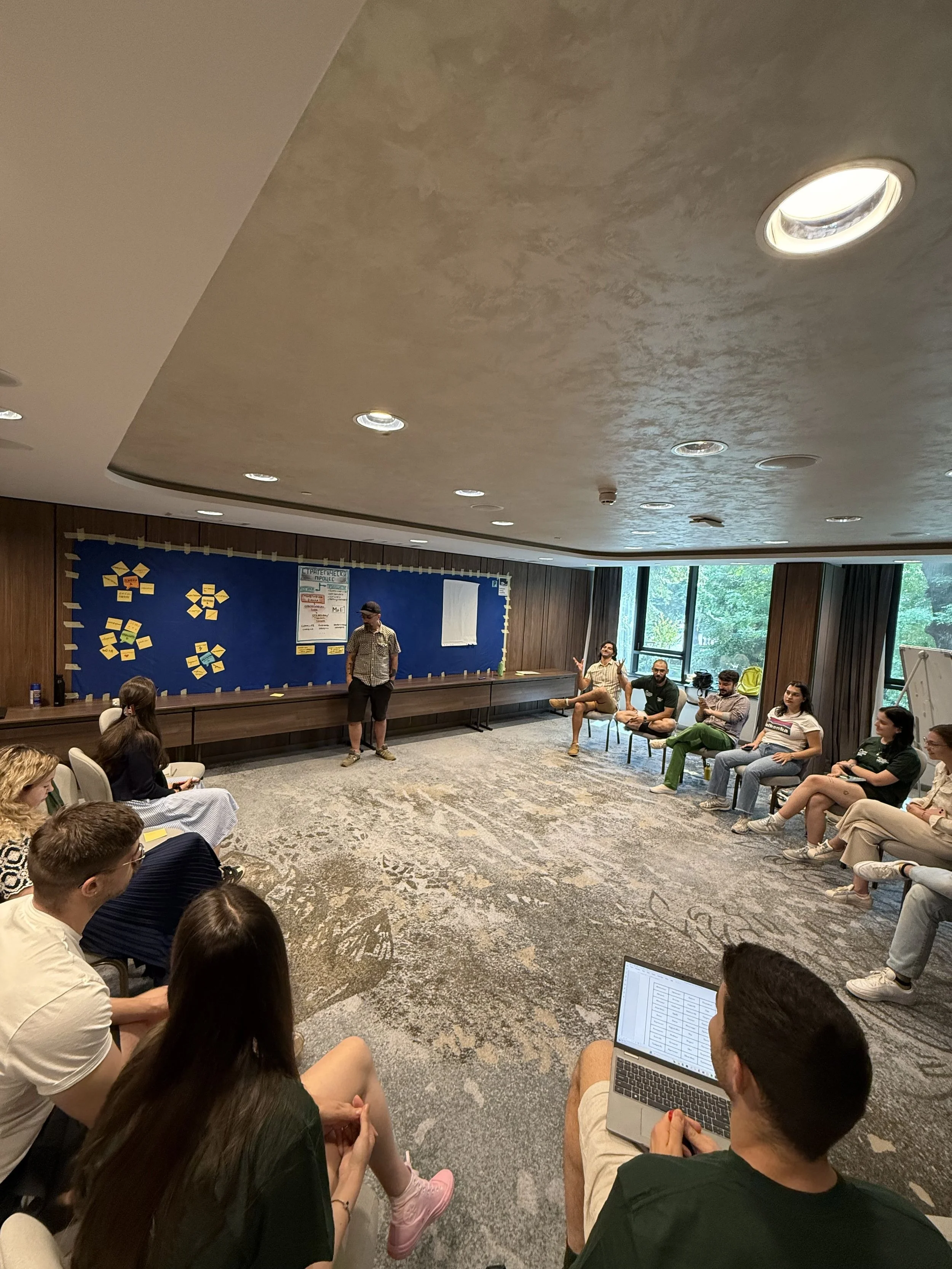
Generation EU: Defending Our Rights and Future
Youth for a Green Future (Bulgaria)
Youth for a Green Future carried out a three-day capacity-building training in Plovdiv, Bulgaria, aimed at strengthening the organisation’s internal structure and strategic direction while reinforcing its commitment to EU rights and values, such as democratic participation, equality, and inclusive decision-making. The project brought together 15 members for a dynamic programme of workshops, expert discussions, and strategic planning sessions.
The training focused on three key pillars: improving teamwork and internal decision-making, developing advocacy skills connected to EU rights and values, and shaping the organisation’s long-term strategy. Highlights included sessions on NGO resilience, a hands-on advocacy workshop, and in-depth discussions on building and sustaining Green movements in the Balkan region.
Participants co-created a new strategy document outlining the organisation’s values, mission, vision, and key priorities, ensuring alignment with European democratic principles. The training also featured knowledge-sharing from international events, cultural exploration of Plovdiv, and shared meals with local plant-based cuisine. As a result of the project, Youth for a Green Future has already begun implementing concrete changes, including decentralising decision-making, refining internal processes, and pursuing a clearer, more focused strategic direction to guide its future activities and advocacy work. -
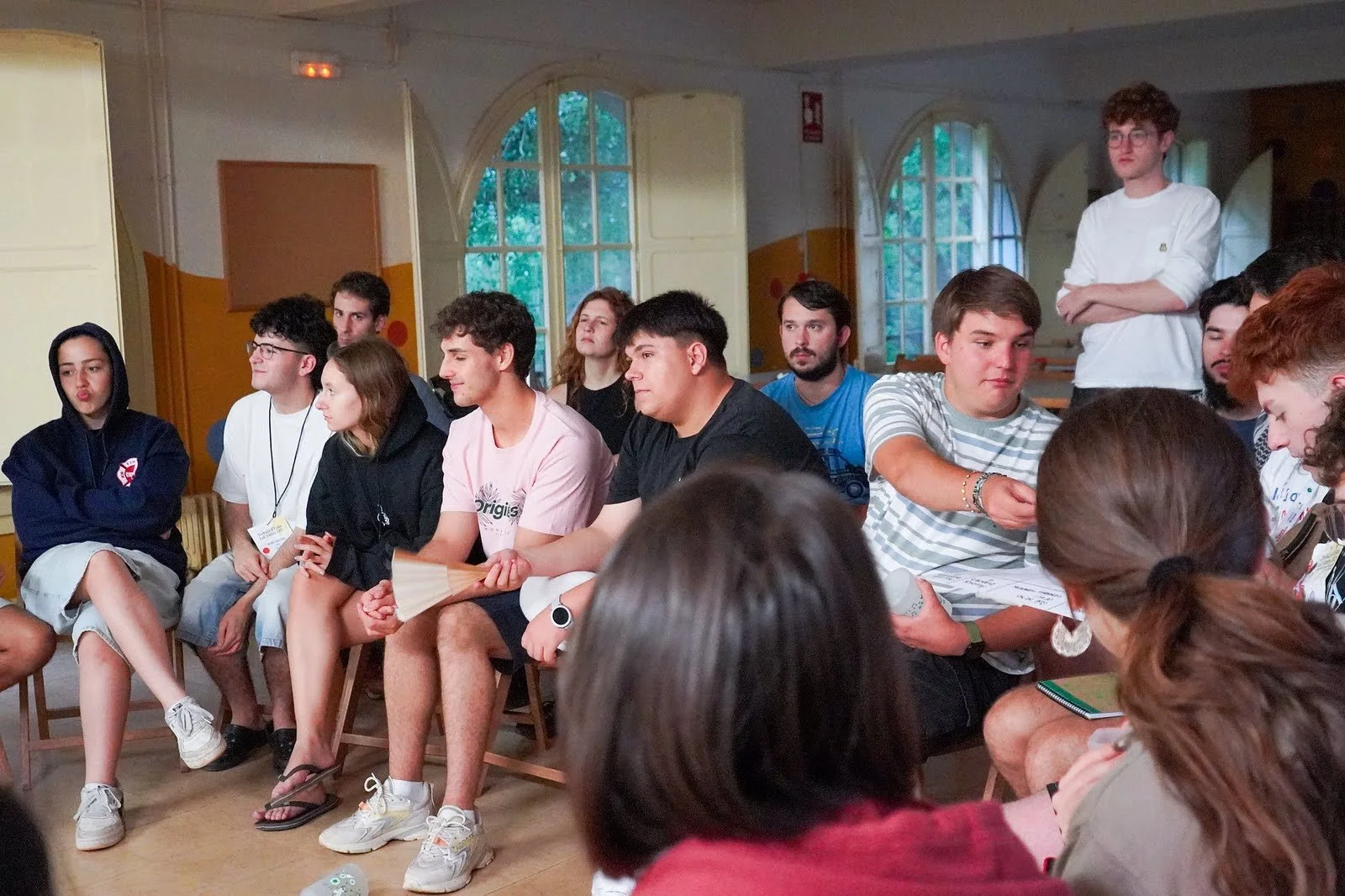
Ecosocialisme amb perspectiva europea
Joves Ecosocialistes (Catalonia, Spain)
This project was designed to strengthen Joves Ecosocialistes from within — to consolidate our structural tools in order to give our members the skills, confidence, and shared vision needed to grow as a collective and as activists committed to democratic participation, inclusion, and solidarity, in line with EU rights and values. Through a series of participatory trainings, we aimed to make our spaces more inclusive and cooperative, so that we can turn our ideas into action more effectively.
We held two full-day training sessions throughout the summer, in which we worked on defining clear goals for the next two years and building better collaboration between different areas of the organisation. The second session was open to all members and brought together over 50 participants, who joined workshops on intersectionality, degrowth, and campaigning — all key themes for advancing social justice and environmental rights. Even though unexpected challenges, such as heavy rain and last-minute cancellations, forced us to adapt, the energy and teamwork of our activists turned it into a very successful project. Together, participants developed the foundations for a future advocacy campaign on environmental justice, applying the skills and strategic tools developed during the training.The project strengthened internal practices aimed at inclusion and diversity, creating conditions that support broader participation, particularly among young women and activists from different backgrounds. Thanks to this grant, Joves Ecosocialistes is now more cohesive, better prepared, and more motivated to continue building a transformative movement for Catalan youth that promotes participation, equality, and sustainability.
-
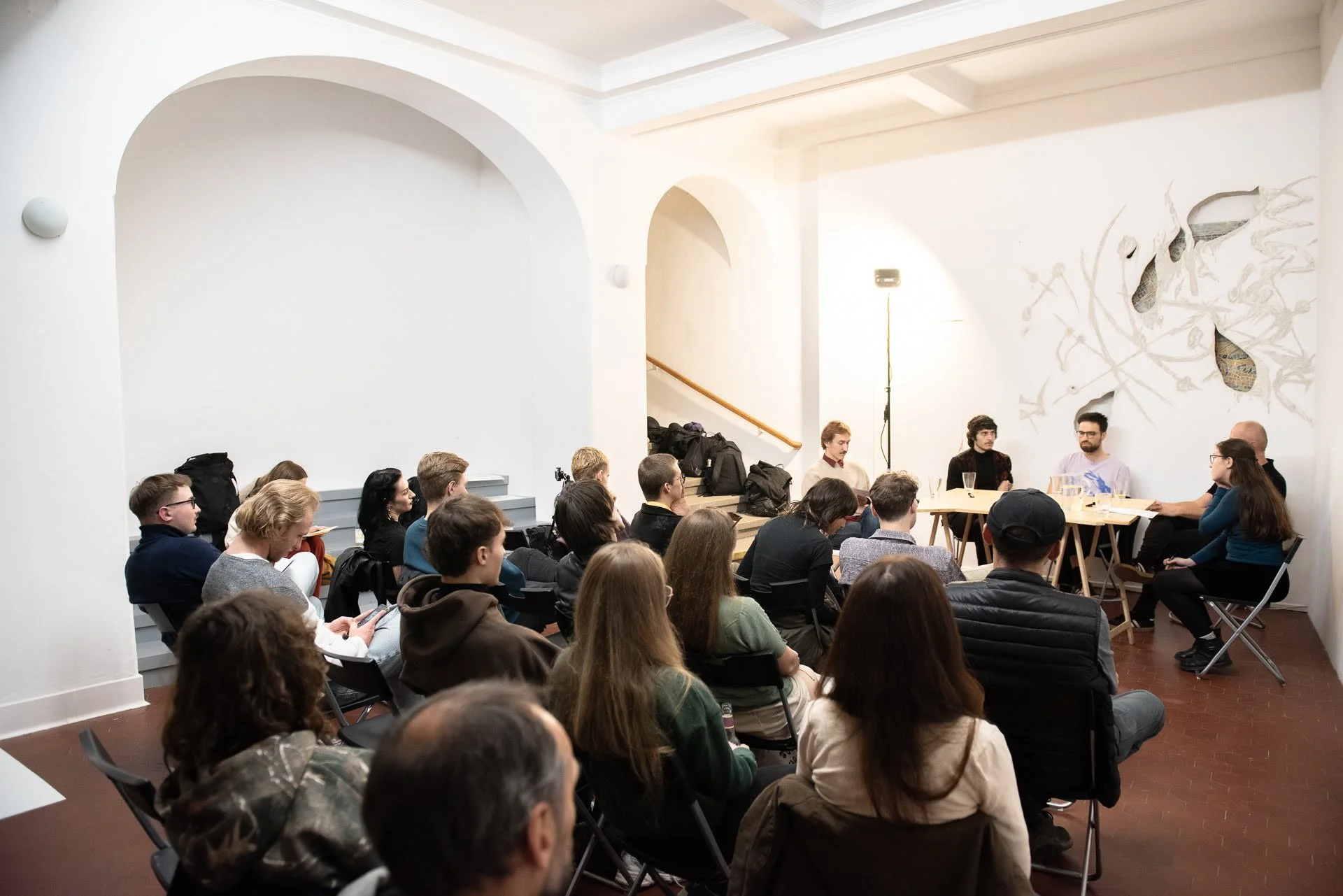
Green Resistance Pop
Mladí zelení (Czechia)
The Czech Young Greens organised a complex, multi-layered initiative engaging both the wider public and members of the organisation around the right to non-discrimination, a core principle of the EU Charter of Fundamental Rights. The project was structured into three interconnected phases: a public festival, a summer camp, and a series of three public debates. While only the latter two phases were funded through the grant, all components contributed to a cohesive narrative and a progressive learning process.
The project began with a one-day public festival in Brno in early May 2025, which introduced the main theme through debates, concerts, exhibitions, and workshops. These activities explored diverse perspectives on non-discrimination, including discussions on degrowth, gentrification, and the rise of far-right movements. By fostering an open and inclusive atmosphere, the festival encouraged broad public engagement and laid the groundwork for the following activities.
The second phase, a summer camp held in July 2025 for members of the organisation, deepened participants’ understanding of the project’s core value: the right to non-discrimination. Through educational and interactive sessions — including film screenings, reflective discussions, and debates — participants explored topics such as gentrification, degrowth, and right-wing extremism. This phase helped shape the organisation’s collective positions and strengthen its capacity to communicate these issues publicly.
The final phase consisted of three public debates addressing the most urgent challenges identified earlier: degrowth, gentrification, and the rise of right-wing extremism. These debates created space for constructive dialogue and critical reflection, allowing participants to test ideas in real-world discussions. By linking all three phases, the project fostered learning, inclusivity, and civic engagement around pressing social challenges, while reinforcing the importance of non-discrimination and democratic participation.
More information: https://www.mladi-zeleni.cz/projekty/plevel-debaty-o-opomenutych-tematech/ -
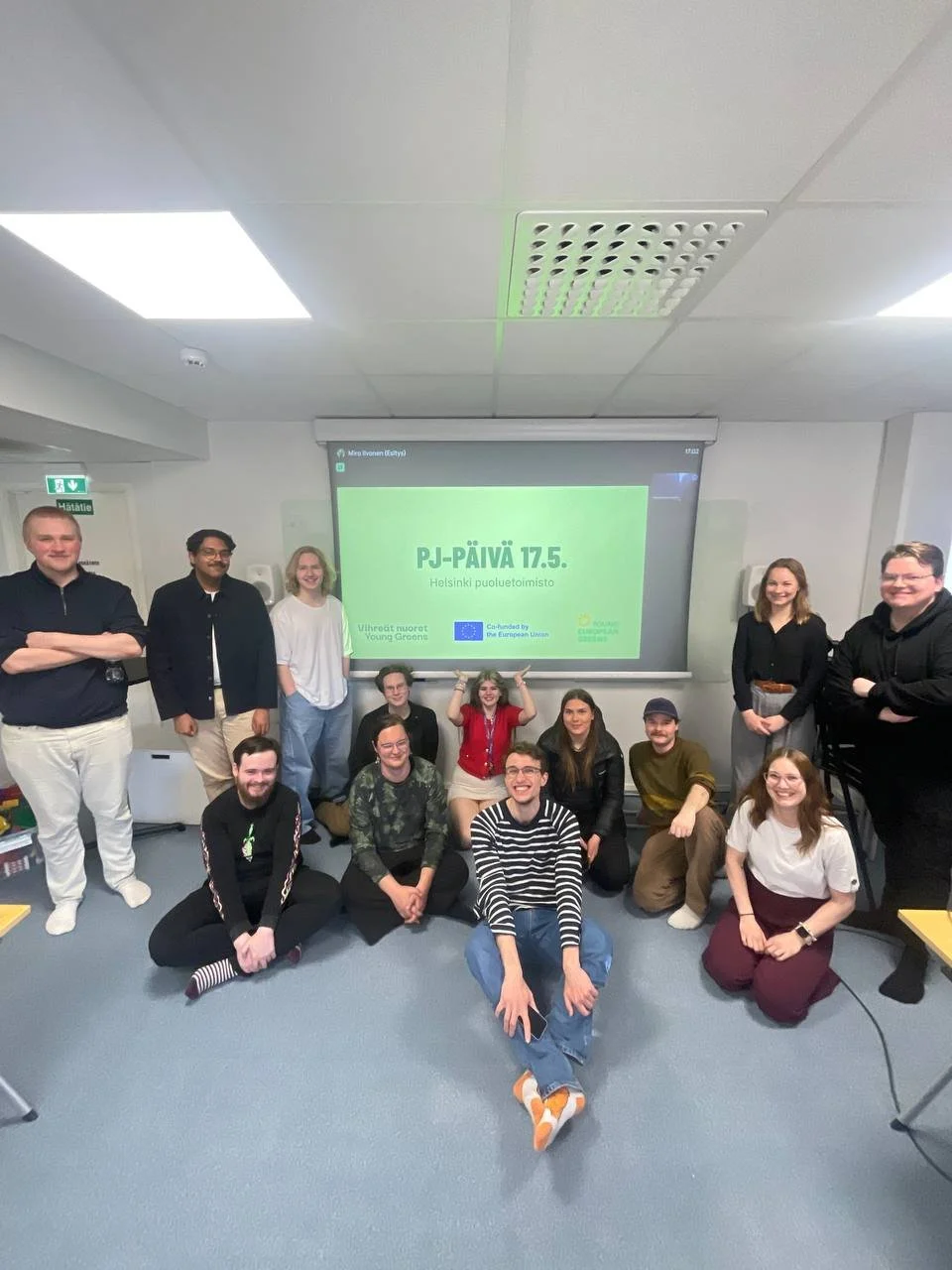
Empowering local organisations
Vihreät Nuoret (Finland)
The aim of the project was to raise young people’s awareness and capacity to promote values enshrined in the EU Charter of Fundamental Rights by strengthening local organisations and, in turn, the overall structure of the Young Greens in Finland. Many local organisations have been struggling to maintain membership and organisational continuity, which this project aimed to address. The idea was that by training the leaders of each local organisation, they could be empowered to make a lasting impact at the local level and inspire others to take on leadership roles in the future.
The project consisted of two separate training days, held in May and September, bringing together the leadership of local organisations from across Finland. The trainings were facilitated by national board members, many of whom had previously served as leaders of local organisations before joining the national board, ensuring a strong peer-learning approach.
As part of the project, a shared strategy was developed to support the long-term continuation of local organisations across Finland. Since many of the challenges faced by local groups are widely shared, creating a common strategy document proved particularly useful. The document was co-created with participants in a way that allows for local adaptation, strengthening democratic participation and organisational sustainability. -
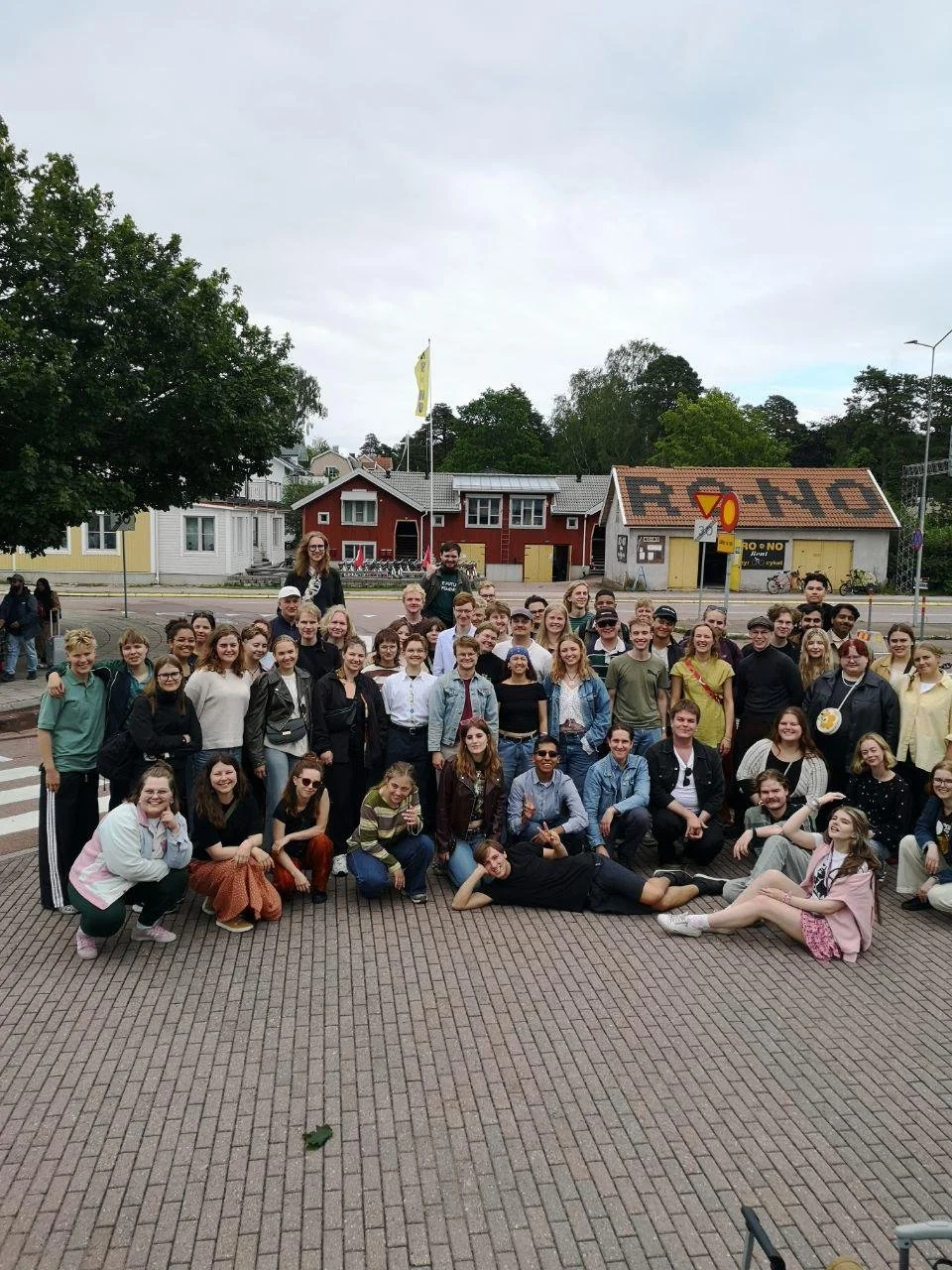
Nordic Green Youth Summer Summit 2025
Vihreät Nuoret (Finland)
The objective of the project was to raise awareness of three key rights enshrined in the Charter of Fundamental Rights of the European Union: Article 22 (cultural, religious and linguistic diversity), Article 21 (non-discrimination), and Article 12 (freedom of assembly and of association). At the same time, the project aimed to equip participants with practical changemaking and advocacy skills through peer-to-peer learning and workshops led by professionals.
In addition, the Summit sought to develop a joint statement on a unifying theme chosen by the working group: fostering a green transition while respecting and upholding the rights of indigenous peoples. Through this process, participants strengthened their capacity to propose sustainable solutions for the green transition by incorporating the perspectives of communities most affected by political decision-making.
A further objective was to strengthen Nordic cooperation between organisations and ensure that collaboration would continue beyond the project. To support this, participants jointly designed a model for long-term cooperation, including concrete tools and methods for its implementation.
The project’s activities were centred around a four-day Summit in Åland, where young people took part in participatory workshops, inspiring talks, and discussions on implementing a green transition that respects indigenous rights. The programme also included networking activities, team building, and collective reflection to consolidate learning.
As a key outcome, participants co-created a joint statement through group discussions and workshops, drawing on both scientific knowledge and lived experiences shared during the Summit. The statement was disseminated through participating organisations’ websites, social media channels, and a press release across the countries involved. -
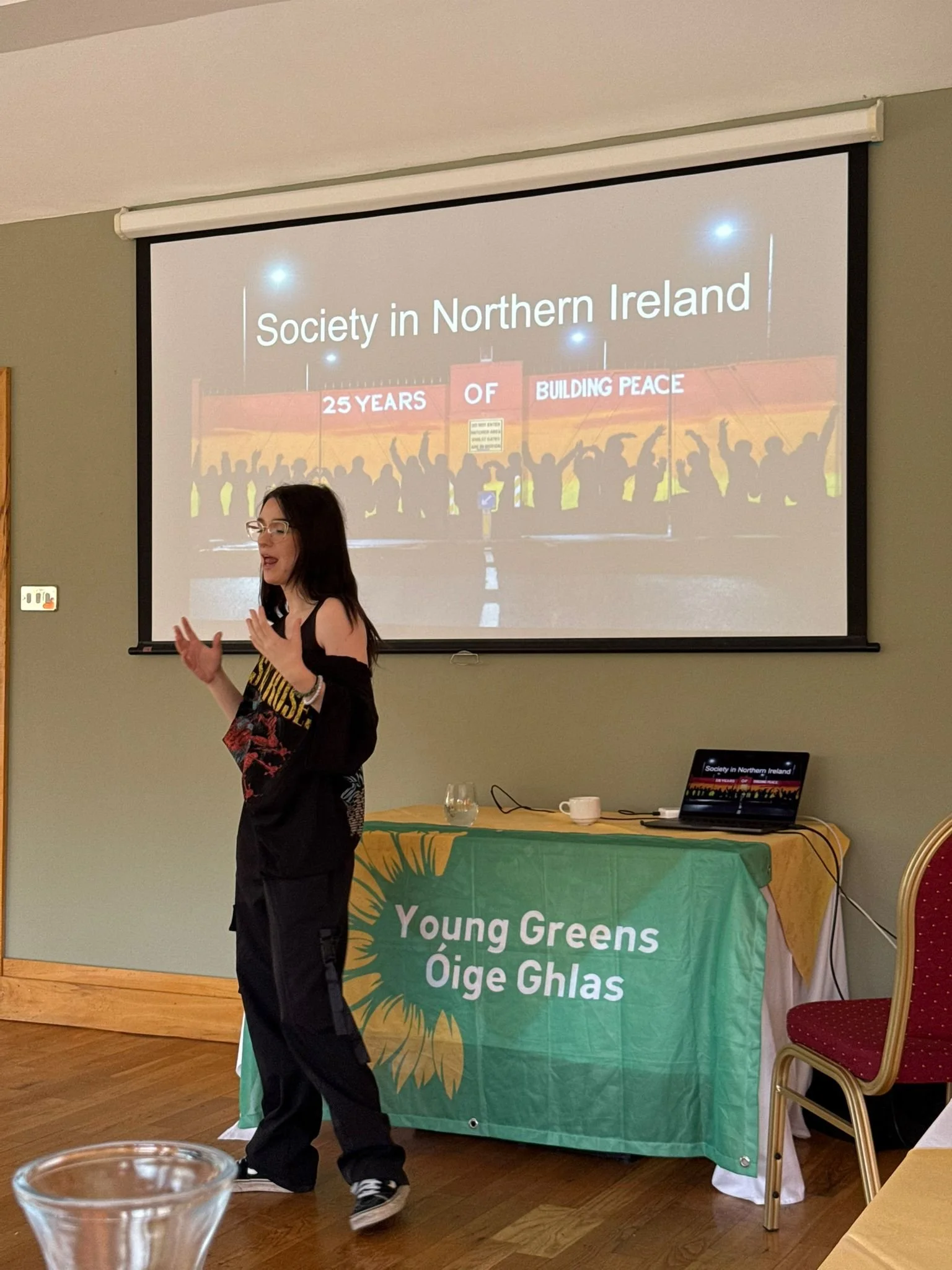
2 Day Training
Oige Ghlas, Young Greens (Ireland)
The project brought together members of Óige Ghlas (Irish Young Greens) in a residential setting for a training weekend combining seminars, workshops, and information sessions focused on the key policy challenges facing Irish youth and society more broadly. The aim was to strengthen members’ capacity to mobilise and advocate collectively, while reinforcing core principles linked to Articles 12 and 21 of the Charter of Fundamental Rights of the European Union, namely freedom of assembly and association and the promotion of non-discrimination.
The training weekend focused on building the knowledge and practical capacities needed to strengthen the organisation’s ability to develop and deliver impactful campaigns. Sessions addressed organisational development, advocacy, and mobilisation, with a strong emphasis on participatory learning and peer exchange.
An initial workshop focused on organisational capacity building, including a SWOT analysis of existing advocacy and recruitment efforts. This was followed by presentations and collective analysis of the organisation’s strengths and challenges, as well as a goal-setting exercise that contributed directly to the development of a strategic document guiding future activities.
A subsequent session addressed membership recruitment in small, volunteer-based organisations, drawing on examples of successful EU-level and local advocacy networks that have engaged young people in the ecological movement and supported their involvement in green politics.
The remainder of the training focused on equipping participants with the core skills needed to organise effective collective and individual campaigns, with a view to strengthening youth participation supporting young people’s meaningful participation in Green political organising and democratic processes. -
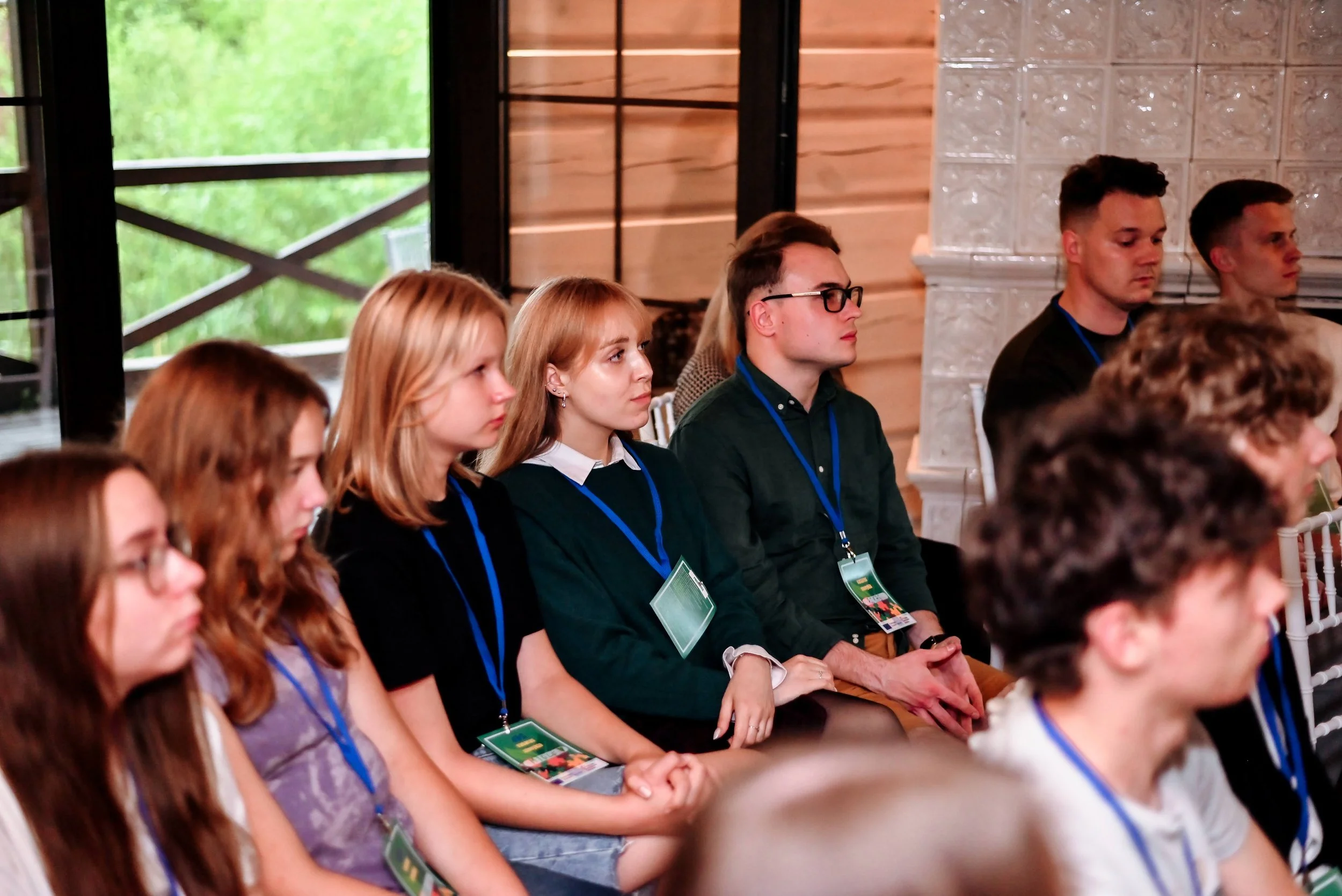
Empower the Present - take action now!
Union of Young Democrats of Lithuania (Lithuania)
The Union of Young Democrats (JDS) organised “Empower the Present – Take Action Now!”, a dynamic two-day event focused on learning, creativity, and community building. The event was part of FYEG’s decentralised training programme, funded by the European Union, and aimed to strengthen young people’s engagement with EU values, democratic participation, and active citizenship.
The first day brought together members from different branches of the organisation, offering opportunities to connect through interactive team-building activities. Participants then attended an inspiring lecture by Daiva Savickienė on ecofeminism, exploring the intersections between ecological and feminist values and how these can inform political and organisational practice. The day concluded with a strategic session in which members worked collectively on defining the organisation’s priorities and plans for the coming years.
The second day focused on creativity, discussion, and reflection. Member of Parliament Tomas Tomilinas joined the event to speak about the relevance of European Union values and fundamental rights in Lithuania today, creating space for dialogue and questions that helped participants better understand their rights and responsibilities as active citizens. Participants then took part in position-building exercises and creative workshops encouraging critical thinking about Europe’s challenges and opportunities.
Through hands-on group work, participants developed innovative ideas for civic engagement, such as organising events in municipalities to promote active citizenship through role-play as local decision-makers, or designing orientation-style activities in different cities to raise awareness about sustainable local tourism.
Throughout the two days, the event provided space to explore pressing global and European challenges, from overconsumption of resources to environmental sustainability. Through debate, teamwork, and creative problem-solving, participants connected ideas with action. The JDS camp was not only an educational experience, but also an opportunity to strengthen community bonds, share diverse perspectives, and empower young people to play an active role in shaping a greener, more just Europe. -
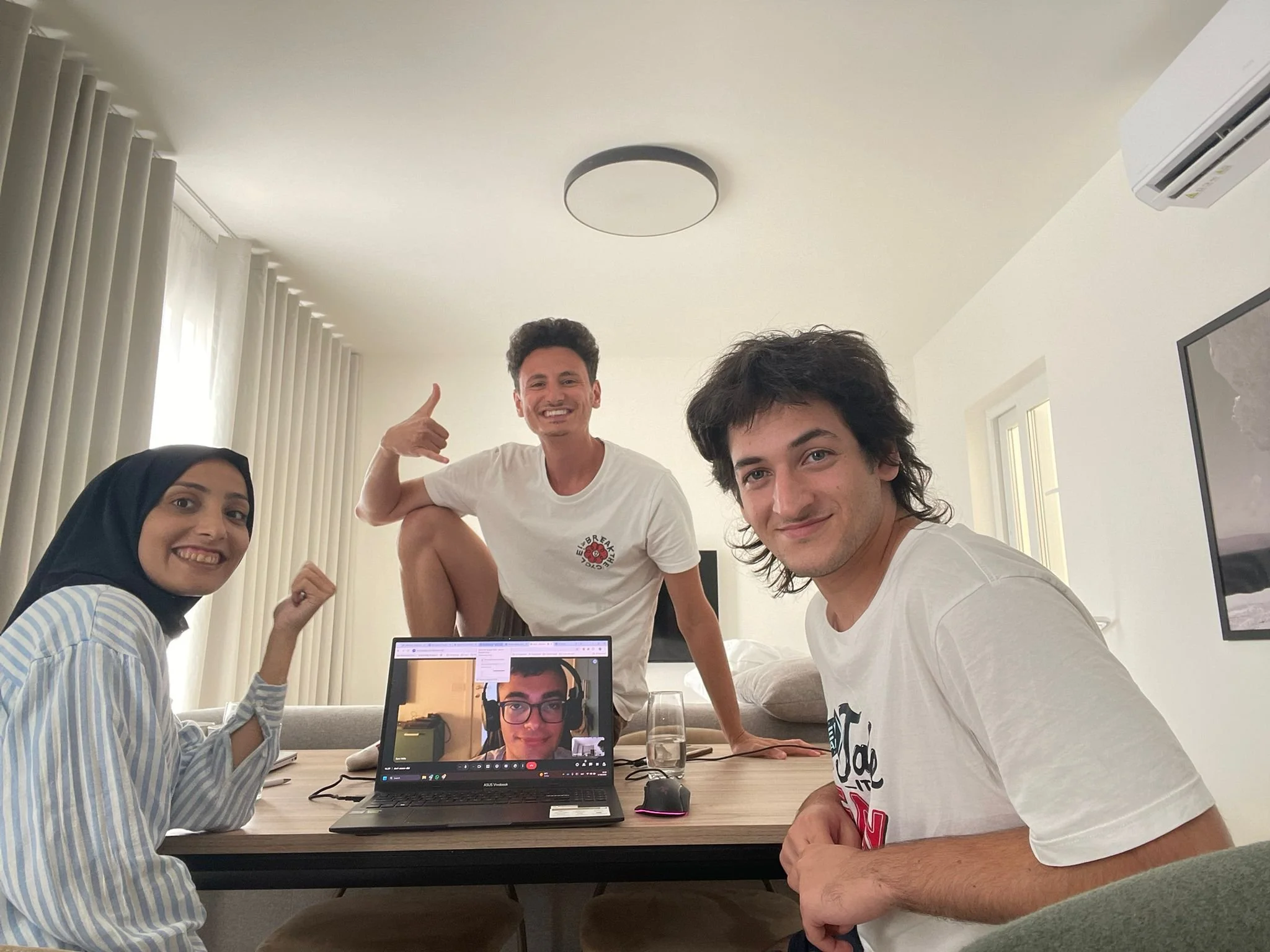
Youth Wave
Kollettiv Żgħażagħ EkoXellugin (Malta)
The project aimed to bring together all members of KŻE to collectively reflect on recruitment and retention strategies, while strengthening the capacities of the team and the organisation as a whole. By reinforcing internal structures and participation, the project contributed to strengthening freedom of association, active citizenship, and democratic engagement, in line with EU rights and values.
Although KŻE is a small organisation, its members are dispersed across Europe, and most meetings usually take place online. One of the project’s main objectives was therefore to create an in-person space where members could meet, collaborate, and build stronger connections. A second objective was to ffoster team cohesion and mutual trust through informal activities that supported collaboration, communication, and effective teamwork, such as cooking together, spending time outdoors, and shared social moments. A third key objective was to collectively develop two concrete documents: one outlining recruitment strategies and another focusing on member retention.
An additional objective of the project was to give participants hands-on experience with event organisation, helping them build practical skills and confidence for coordinating larger activities in the future.
The core activities of the project were the brainstorming sessions on recruitment and retention. Despite unforeseen circumstances that required the event to be held in a hybrid format all members were actively engaged and contributed meaningful ideas to both discussions. Participants also held open and reflective conversations on internal roles, responsibilities, and how to improve teamwork and organisational effectiveness.
For the members attending in person, the project also provided valuable opportunities to deepen personal connections through ice-breaking and team-building activities, including shared meals, cooking together, and informal social activities. These moments proved particularly important for strengthening trust, cooperation, and a shared sense of belonging within the organisation. -
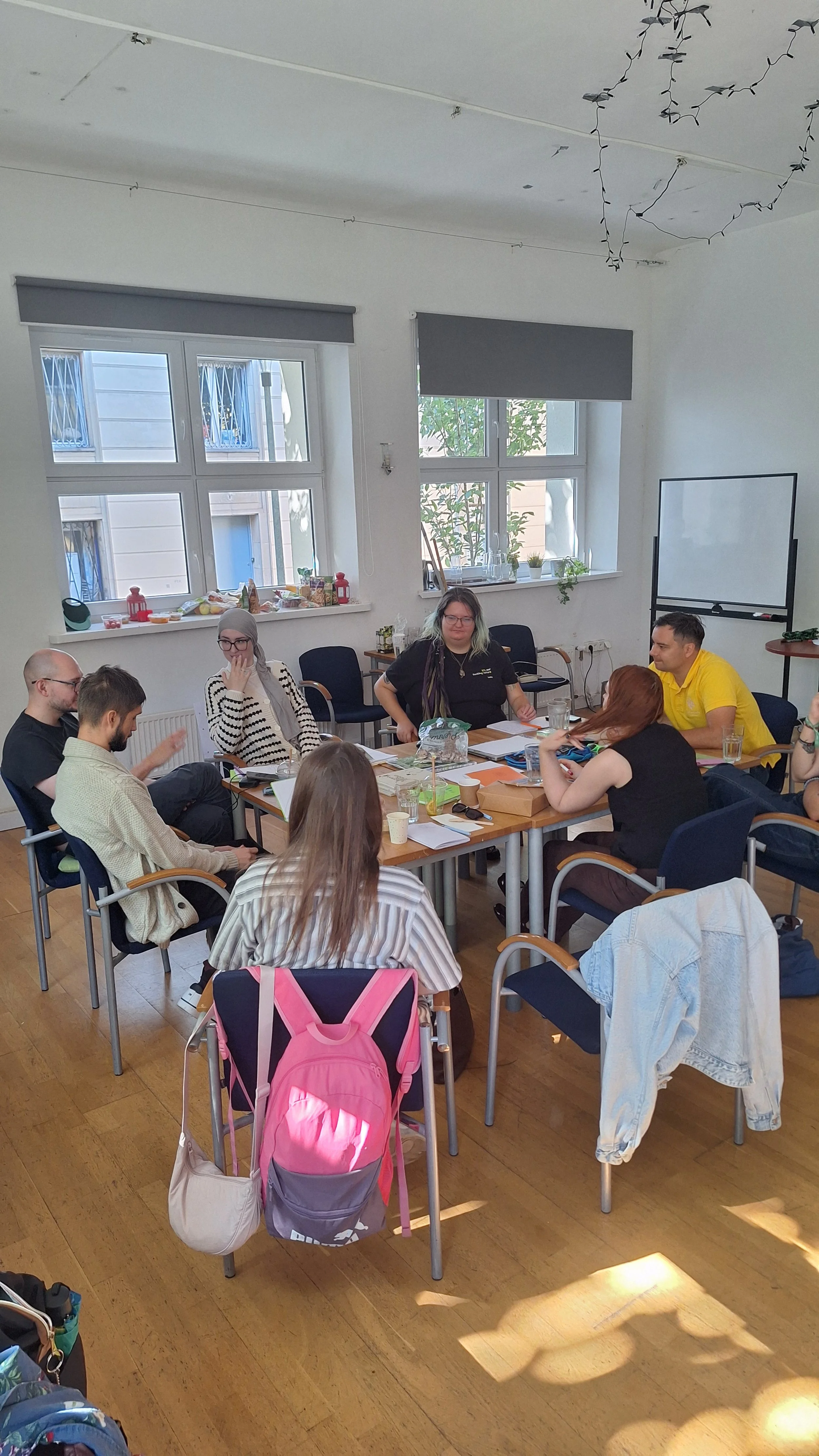
The Green movement and EU values: How can the Young Greens promote European values in Poland?
Ostra Zieleń (Poland)
The project “The Green movement and EU values: How can the Young Greens promote European values in Poland?” aimed to strengthen Ostra Zieleń’s internal capacity to safeguard and promote EU rights and values through an offline strategic training for its leadership and active members. The project focused in particular on building knowledge of the Charter of Fundamental Rights of the European Union and enhancing the organisation’s ability to advocate for democracy, human rights, and environmental sustainability within the Polish context.
The core activity was a two-day in-person training held in Warsaw, bringing together members of Ostra Zieleń for participatory workshops, discussions, and strategic planning sessions. The programme combined sessions on EU institutions and fundamental rights — with a particular focus on Article 12 on freedom of assembly and association — with practical workshops on communicating EU values in an accessible way, organising grassroots actions, and strengthening internal organisational structures.
Throughout the training, participants explored how European values intersect with green politics and how these principles can be translated into local activism. The programme also included dedicated sessions on inclusion and safe spaces, as well as peer learning and networking activities aimed at reinforcing cooperation and collective ownership within the organisation.
As part of the follow-up, participants developed a shared strategic reflection on the future direction of Ostra Zieleń. The project laid the groundwork for future local initiatives, outreach activities, and educational materials, supporting the organisation’s longer-term goal of amplifying the green youth perspective at both national and European levels. -
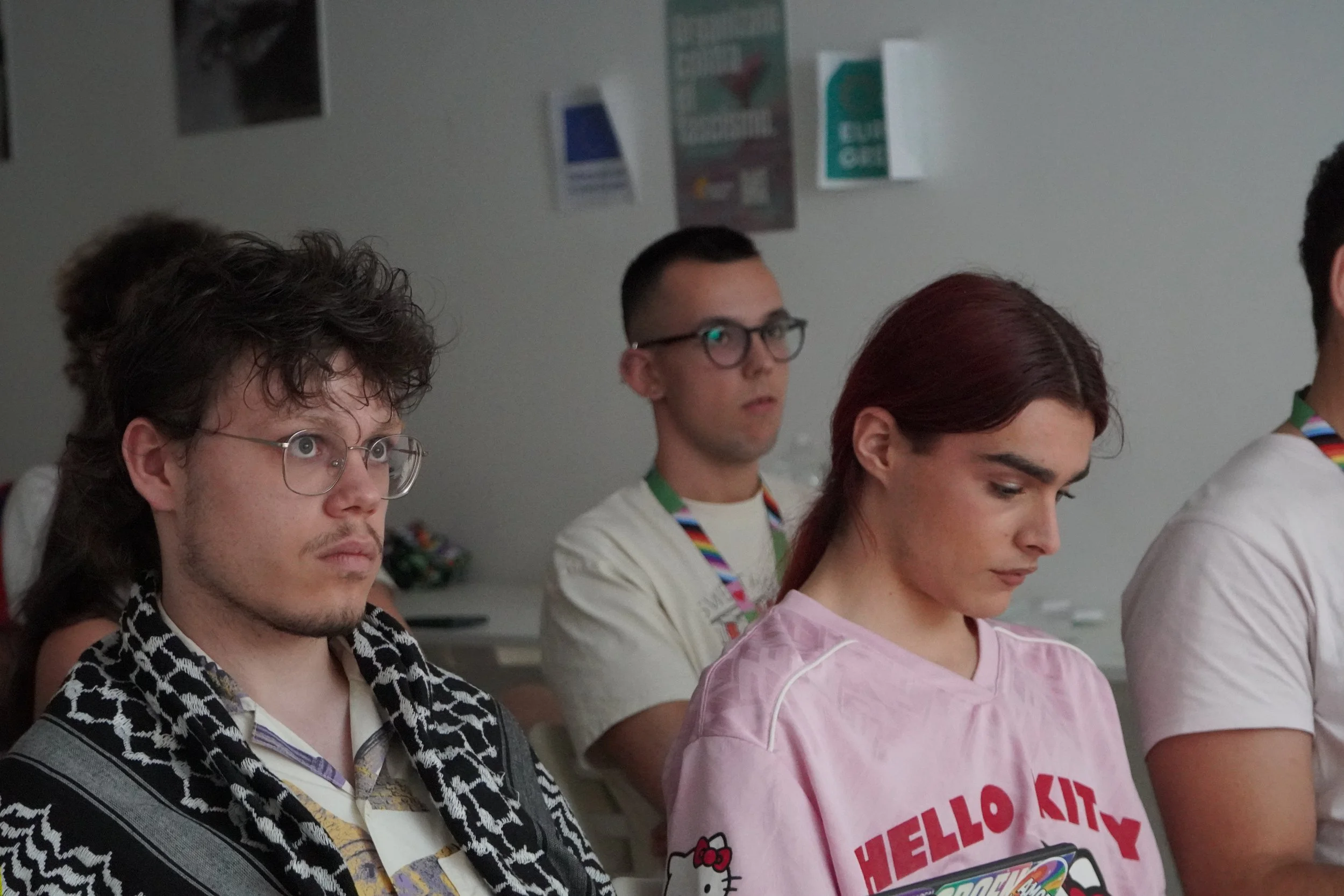
Desarrollo de una estrategia política para un futuro ecosocialista
Juventud Verde (Spain)
The project aimed to strengthen Juventud Verde’s internal capacity to safeguard and advocate for EU rights and values through an offline strategic training for active members. By reinforcing organisational structures, democratic participation, and inclusion, the project sought to equip the organisation with the tools needed to promote a strong green youth perspective at the national and European levels.
The core activity was a three-day in-person training held in Cartagena (Spain), bringing together active members and new activists. Through participatory sessions on community organising, organisational diagnosis, and strategic planning, participants collectively analysed the organisation’s strengths and challenges and developed a medium-term strategy to guide Juventud Verde’s actions over the next year and a half. Specific attention was given to inclusion and non-discrimination, with dedicated sessions on FYEG’s inclusion plan, feminism, and POC activists in political spaces.
As a follow-up, the project resulted in a strategic document to promote EU rights and values, improved internal processes, and clearer communication of Juventud Verde’s mission. These outcomes contribute to increasing the organisation’s visibility, inclusiveness, and impact, ensuring a stronger and more sustainable green youth voice at both national and European levels.